Digital collection management for museums
One permanent home for your museum's digital collection.
Signet Provenance, from Research Casting International, keeps your 3D scans, images, and each specimen's history in one place, and lets you decide how they're shared. Every specimen gets a permanent record that any copy can be checked against.
- Store3D scans and images, kept on a public network
- RecordEach specimen's history, added to and never erased
- SharePublic specimen pages and downloads that you control
- LicenseResearch and commercial licensing (coming next)
Why provenance matters
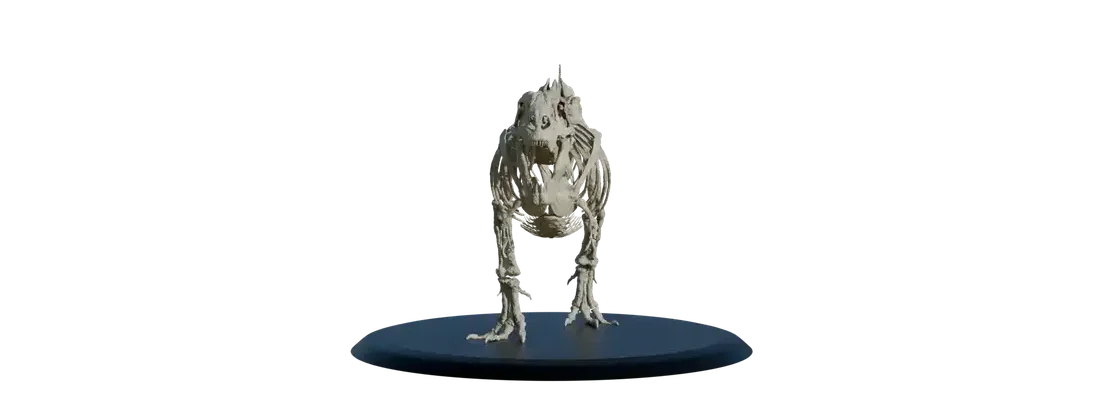
This T. rex isn't a museum fossil.
Our 3D team built it from decades of RCI casts and scans, to fill gaps in other T. rex skeletons. As a file, it looks every bit as real as a scan of a museum specimen.
A real fossil comes with a catalogue number, a curator, and a paper trail. A scan file carries none of that, so once copies start circulating, nothing in the file shows which one came from a real specimen. Only a record can tell them apart.
Read our brief on cybersecurity and copyright for museums (PDF)Who benefits
One trusted record for everyone.
The public
Anyone can explore a specimen in 3D, download it to 3D print where the museum allows, and check that a copy is the real thing.
Educators
Real specimens with clear terms, ready for the classroom and public programs.
Researchers
A permanent ID to cite and the specimen's full history. Requests for high-resolution data are coming.
And your museum
Your digital collection can earn its keep.
Digitizing a collection is expensive, and most of those scans sit unused on a drive. With Signet Provenance, you can offer them for download today, on terms you set.
Research and commercial licensing comes next, issued from each specimen's record. You'll know who is using your scans and for what, and the fees help pay for the next ones.
For museums
Your collection, on your terms.
Signet Provenance extends the care you give a physical specimen to its digital copies.
You decide what goes on the record
Nothing is published without your say, and every entry is checked against primary sources.
You set the terms
You choose what's public and what's downloadable. Access levels and licence terms you set are next.
Your records aren't locked in
Records live on a public network, readable without our website, and you can take over your registry.
Your scans can earn revenue
Downloads are live today. Research and commercial licensing is next, with every licence tied to the record, so your scans help pay for more digitization.
How it works
How a specimen gets its record.
Four steps from your collection to a record anyone can check, and the technical detail behind each one.
It starts with your museum
You decide which specimens to bring online. Research Casting International sets up a registry for your museum, which keeps track of every specimen you put on the record under your own catalogue numbers.
Your catalogue numbers
How this works
Each partner museum gets its own registry on the Internet Computer: an admin canister that creates each specimen's home and keeps track of it. Today RCI runs these registries on the museums' behalf, but they're built so each museum can take over its own when it's ready.
A registry keeps the fine detail of every specimen. A single mounted skeleton can be built from several fossils, each with its own catalogue number and find site, and the record keeps them all.
Each specimen gets a permanent home
It gets its own permanent address on the Internet Computer. It works like a DOI, the permanent ID researchers use to cite a paper, with one difference: a DOI points to where a record is kept, while this address is where the record lives. Everything shown about the specimen is read straight from there.
One specimen · one permanent ID
How this works
A canister is a small program with its own storage, running on the Internet Computer: a public network of independent data centres, not our servers. Each specimen gets exactly one, and every fossil added later joins the same canister.
Its ID is assigned by the network and never changes. There's no lookup service in between that can break or be redirected: the ID is the address of the record itself. Anyone can query the canister directly and get the same answer, without going through our website.
Only its authorized controllers can add to it. Like every canister, it runs on cycles, the network's prepaid compute, and keeping it funded is part of what Signet does.
Its scans and history go on the record
We add the 3D scans, along with the specimen's history from primary sources: how it was found, how it was first described, and where it has been displayed. Everything is added as a new entry. If something turns out to be wrong, the fix is added too, and nothing is erased.
Add-only history
How this works
Scan files and images aren't kept on a separate file host. They're stored inside the specimen's own canister and served straight from it. Every file is certified: the network signs a fingerprint of everything the canister serves, so its gateways can check that a file wasn't swapped or altered on the way.
The history is a ledger built on ICRC-3, the Internet Computer's open standard for transaction histories. Each entry carries a fingerprint (hash) of the entry before it, so entries can't be reordered, edited, or removed without breaking the chain, and anyone can ask the canister to check its own chain.
A correction is a new entry that points to the one it replaces. Pages show the latest version, and the original stays in the ledger for anyone to read.
It lives on as the single source of truth
From there the record keeps growing as more is scanned and new research is published. Anyone can see the specimen's true history, and download it to print at home where the museum allows. Researchers can cite it, and teachers can bring it into the classroom. Wherever its scan travels, there's one place to come back to for the real thing.
One place to check
How this works
The museum's registry keeps a short summary of each specimen so collections can be listed quickly, but the specimen's own canister is always the authority.
Want to check our work? The specimen page shows its history straight from the ledger, and the canister will verify its own chain for anyone who asks. To cite a specimen, use the museum's catalogue number together with its canister ID.
Coming next: licences for research and commercial use, issued from the record itself. Every download and licence will be added to the specimen's history, so every copy out in the world has a paper trail back to the original.
Who's behind it
Nearly forty years of handling the real thing.
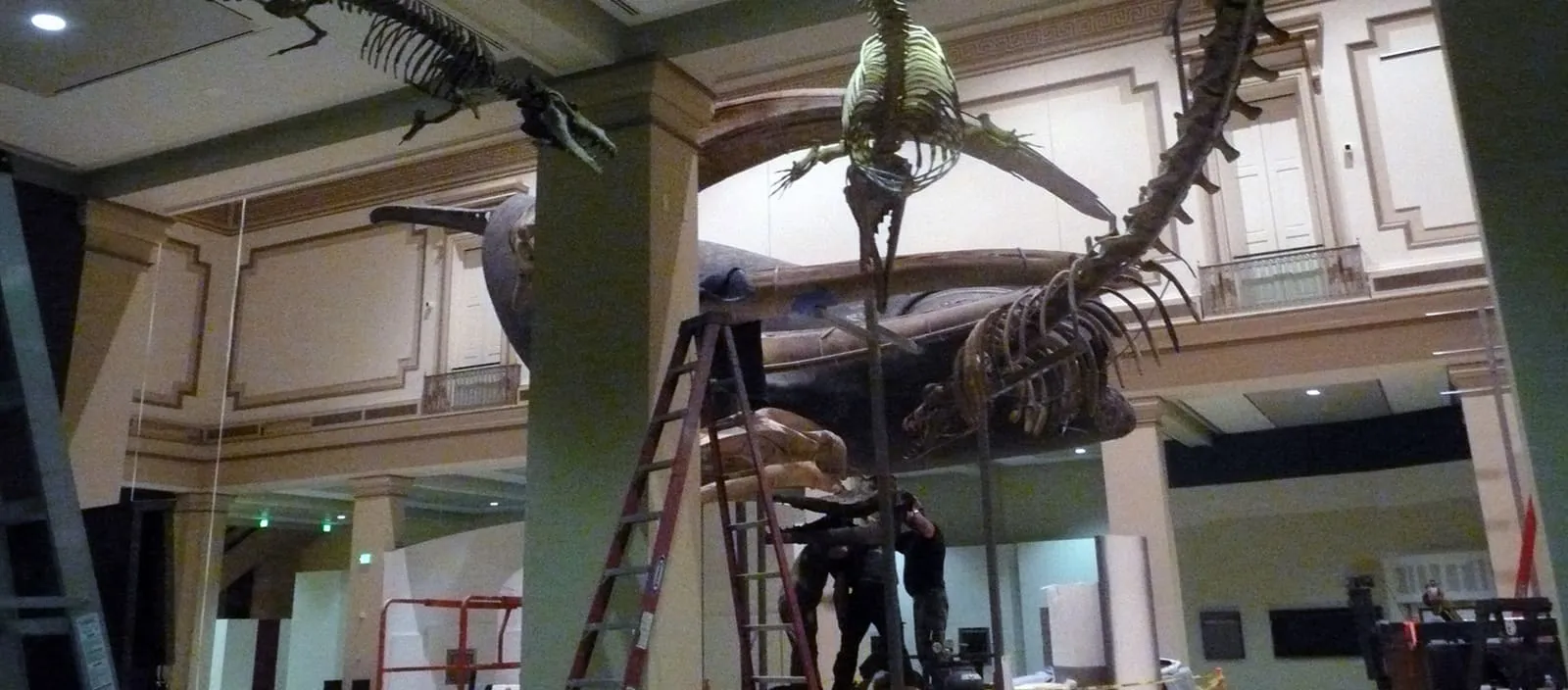
The same team that built that T. rex has spent nearly forty years molding, casting, mounting, and scanning fossils for natural history museums, including the Smithsonian, the Natural History Museum in London, and the Royal Ontario Museum. Peter May founded Research Casting International in 1987 with a team of three; today it's more than fifty people in Trenton, Ontario. Along the way we built one of the largest libraries of paleontological 3D scans.
Signet Provenance is how we put that library, and the trust behind it, on a record anyone can check.
Museums we've worked with include
Smithsonian National Museum of Natural History Natural History Museum, London Royal Ontario Museum Field Museum Canadian Museum of Nature Carnegie Museum of Natural History Royal Tyrrell Museum Museum für Naturkunde, Berlin National Museum of Scotland National Science Museum, Tokyo Australian Museum
These are clients of RCI's museum services. Listing them doesn't mean they use Signet Provenance.
Questions museums ask
Does this replace our collections management system?
No. It works alongside it. Your collections management system stays the catalogue for your physical holdings. Signet Provenance looks after the digital side: the 3D scans and images, their history, and how they're shared and licensed, all under your existing catalogue numbers.
Who decides what goes on a record?
The museum that houses the specimen. Research Casting International runs the system and adds entries on the museum's behalf, checked against primary sources.
What happens to our records if RCI stops running Signet?
They stay where they are. Each record lives on the Internet Computer, a public network, not on our servers, and anyone can read it directly without our website. Registries are built so a museum can take over its own, and we keep regular snapshots of every record.
Are these NFTs?
No. There's nothing to trade or speculate on. Each specimen has a living record, not a token, and it grows as new research and history are added.
How would a researcher cite one of our specimens?
With your catalogue number plus the specimen's permanent ID, which is shown on every specimen page. The ID will always point to the same record.
What is the Internet Computer?
A public blockchain network that can run programs and store data directly. We use it so each record lives on a public network rather than on a single company's servers.
How do we get started?
Request a demo below. We'll walk you through a live specimen record, talk through your collection and what you'd like to put on the record, and set up your registry.
Where we are
What's live, and what's coming.
Signet Provenance is early, but it already holds real museum specimens.
Live now
- A permanent home and ID for every specimen
- Each specimen's history, with corrections shown openly
- 3D scans that rotate in the browser
- Records supplied by partner museums
- Downloadable files for enthusiasts, through each specimen's shop
- Regular snapshots of every record, with restores tested
Coming
- Requests for research and licensing access
- Every download and licence added to the specimen's record
- Access levels set by each museum
- Ready-made printed replicas, for anyone without a 3D printer
- Shared control, so no single person can erase a record's history